Voxel Heroes Lockdown Tower Climb Guide
How high can you go? Consistency beats reckless speed on every floor.
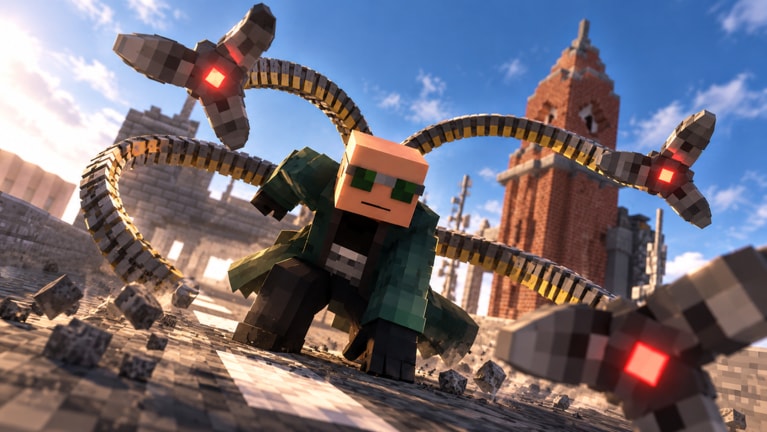
Lockdown Tower is Voxel Heroes’ vertical endurance challenge: climb as high as you can while difficulty ramps, mistakes stack, and greedy plays end runs early. The official pitch asks a simple question—how high can you go?—but the real answer is about composure. Tower rewards players who treat each floor as a fresh encounter, keep FOCUS honest, and pick heroes that match the climb’s pressure curve. Use this page with Combat and FOCUS, Upgrade Trees, and Best Heroes before you chase personal bests.
What Lockdown Tower asks of you
Unlike open-city street crimes, the tower compresses space and raises the cost of every whiff. Crowds hit harder as you rise, recovery windows shrink, and carrying damage or bad positioning into the next floor compounds failure. Think of the climb as a string of short bosslets rather than one endless brawl. Clear cleanly, reset your camera and meter awareness, then commit to the next level with a plan.
Co-op can help when teammates divide roles—ranged chip, melee interrupt, and revive watch—but uncoordinated groups often stack deaths in the same slam zone. Solo climbs teach fundamentals; group climbs teach callouts. Servers support online sessions with up to twenty players in the wider game, yet tower success still hinges on personal discipline more than raw lobby size.
Hero picks for the climb
Choose a kit you can pilot under fatigue, not only the flashiest S-tier name on a tier graphic. Strong climb identities include:
- Iron Man: Flight lanes let you read slam circles and keep ranged FOCUS income when floors get dense.
- Miles Morales: Swing entries create safe re-engage angles after you break line of sight.
- Speedster: Ground speed helps you kite packs and re-open combos without eating every swipe.
- Doctor Strange / Mr. Cold: Zoning and control buy time when adds spawn on top of objectives.
- Captain America / Doctor Octopus: Honest melee tools for players who prefer close reads and wide reach.
- Vision: Air energy pressure similar to Iron Man with a different hover rhythm—practice before deep climbs.
- Vengeance: Grapple approaches shine when you need opening bursts, then space to breathe.
Hawkeye’s ranged safety helps early floors, but bosses and dense mid-climb packs may demand more burst or control than pure chip provides. Secret options like Thanos (heavy pressure) and Hulk (brawler openings) can excel once unlocked and upgraded—see Secret Unlocks, How to Unlock Thanos, and How to Unlock Hulk. Full roster context lives on All Heroes.
Invest cores into your climb main before spreading thin across the whole roster. Level progress toward the hero level cap of fifty is a marathon; tower is a great stress test for whether your tree choices actually reduce panic. Details sit in Upgrade Trees.
Floor-by-floor habits
Enter each level with a target priority: elites first if they control space, then dense melee packs, then stragglers. Do not open every floor with FINISH. Build FOCUS on trash, then spend the slow-motion window on the enemy that would ruin the clear. After the last foe drops, take one breath—check health state, confirm meter, reorient movement—before the next floor loads pressure.
Positioning rules of thumb:
- Keep an exit route toward open air or a swing line; corners trap melee heroes.
- Fight near the edge of spawn clusters so new waves do not appear on top of you.
- Respect slam and cone tells even when you are one hit from ending the floor.
- If a teammate is down, clear the immediate swing before a heroic but fatal revive attempt.
Street-crime habits can betray you here. In the city you abandon a pack to save a citizen across the block; in the tower, unfinished packs are the citizen. Finish the room.
FOCUS and FINISH pacing on climbs
Tower climbs punish both extremes: dumping FINISH on the first weak enemy, or holding a full meter through a deadly elite. Aim for a cadence where FOCUS rarely sits maxed for long during dense floors, yet you always have a bank before unknown elites appear. Flying heroes should mix hover chip with grounded confirms so they still practice dodge timing. Melee heroes should short-string and reposition instead of chasing maximal combos into walls.
If you notice your meter empty every time a slam starts, you are spending too early. If your meter is full while you kite for ten seconds, you are leaving damage and crowd control on the table. The Combat and FOCUS guide expands the loop; tower simply raises the stakes for getting it wrong.
Progression around the tower
Do not treat Lockdown Tower as your only progression path on day one. Warm up with story beats and street rescues, claim Codes when available, and complete dailies so upgrade currency keeps flowing. Use the Tools Hub checklist to structure sessions: login rewards, short combat warm-up, one focused climb block, then roster investment. After patches, skim the Updates Hub for weekly hero additions or balance notes that change which kits feel stable on high floors.
Controls comfort matters more as climbs lengthen. Bindings you tolerate for five minutes may fail at floor twenty. Revisit Controls if camera, traversal, or FINISH inputs still feel awkward. New players should clear Getting Started before measuring themselves against veteran climb footage.
Solo versus co-op climbs
Solo climbs give perfect information about your own mistakes. Every death is yours; every clean floor teaches a repeatable route. Co-op climbs multiply damage and revive safety but introduce friendly chaos—stacked FINISH timings, overlapping knockbacks, and revive greed. Agree on simple calls: who holds ranged lane, who commits melee, who watches the slam telegraph. If the lobby is noisy, mute and play your job; tower does not require voice to succeed, only clarity.
Giant boss-style encounters that appear as climb peaks need the same role split described in combat guides: chip, interrupt, and survival. Secret heavies can anchor burn windows; mobility kits peel adds. Do not all stand in the same circle because the damage numbers look exciting.
Recovery and when to stop a run
Stopping a failing climb is a skill. If you are repeating the same death on the same tell, end the run, adjust upgrades or hero choice, and return fresh. Tilt climbs waste daily time and reinforce bad spacing. Review whether your failure was mechanical (missed dodge), strategic (wrong FINISH target), or preparatory (under-upgraded tree). Fix the category that actually broke the run.
Between sessions, diversify. Play a different hero in free roam so your main’s muscle memory does not go stale. Check the Players Hub when weekly heroes arrive so you know whether a new kit deserves climb investment. Favorite the experience on Roblox if you want Visually Synced’s update cadence on your radar, and keep this wiki bookmarked for patch-oriented pages under Updates.
Climb checklist
- Confirm your main hero’s core combat loop feels stable in street fights first.
- Spend upgrade cores on damage uptime, survivability, and mobility nodes that you actually press.
- Enter the tower with a FINISH plan per floor type—not a hope.
- Clear, breathe, reorient; never sprint blind into the next spawn.
- End the session after a personal best or after two tilted failures—then reinvest in upgrades or unlocks.
Lockdown Tower is where Voxel Heroes’ systems meet under pressure. Heroes, FOCUS, upgrades, and controls all show their seams. Climb patiently, spend resources with intent, and let each failed floor buy information for the next personal best.
Frequently Asked Questions
Quick answers for Voxel Heroes codes, heroes, and progression.
What is Lockdown Tower in Voxel Heroes?
Lockdown Tower is an endgame-style climb where each level raises pressure. Success comes from clean clears, smart FOCUS spending, and stable hero picks more than reckless speed.
Should I climb Lockdown Tower solo or with a group?
Solo climbs teach fundamentals and make mistakes obvious. Co-op helps when roles are clear, but uncoordinated groups often stack deaths. Practice both.
Which hero is best for Lockdown Tower?
Pick a kit you can pilot under fatigue. Iron Man, Miles Morales, Speedster, and strong control or melee options all work when upgraded. Check the tier list and your own comfort.
When should I use FINISH during a climb?
Build on trash packs, then spend FINISH on elites or moments that would wipe the floor. Avoid wasting the slow-motion window on the weakest enemy present.
How do upgrades affect tower height?
Cores spent on your climb main's real combat nodes raise consistency toward the level 50 cap. Spreading upgrades across unused heroes rarely helps deep floors.