Voxel Heroes Combat, FOCUS, and FINISH
How to chain pressure, spend FOCUS wisely, and win street crimes and boss fights.
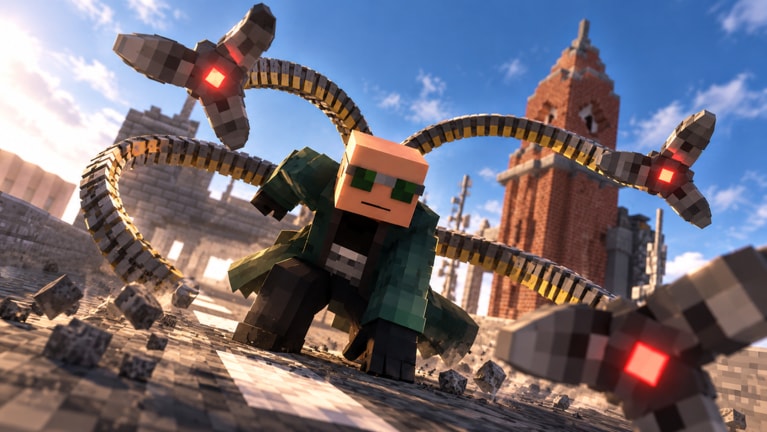
Combat in Voxel Heroes rewards clean timing more than button mashing. Every hero can land basic hits, build a FOCUS meter, and spend that meter on a FINISH slow-motion takedown. Mastering that loop turns noisy street fights into controlled clears and makes giant bosses feel readable instead of chaotic. This guide covers how combos feed FOCUS, when to press FINISH, and how street crime fights differ from boss encounters. Pair it with Controls, Upgrade Trees, and the Best Heroes list so your kit and your inputs work together.
The FOCUS loop
FOCUS fills when you land successful attacks and keep pressure going without long gaps. Interrupted combos, long airtime with no hits, or standing still while enemies wind up all slow the meter. Treat FOCUS as a resource you earn through uptime, not a free power you wait for. Once the meter is ready, FINISH opens a brief slow-motion window that lets you lock a high-value target, carve space in a crowd, or finish a wounded enemy before they recover.
Do not dump FINISH the first second it lights up. Ask three questions: Is there a dangerous enemy about to swing? Are citizens still at risk nearby? Would waiting one more combo kill a priority target cleaner? Saving FINISH for the right beat often matters more than raw damage. Heroes with strong ranged tools, such as Iron Man or Hawkeye, can build FOCUS from safer ranges; melee kits like Captain America, Miles Morales, or Doctor Octopus fill the meter faster because every hit is already in range to read enemy tells.
Combos and pressure
A good combo is a short, repeatable string you can land under pressure, not the longest animation you own. Start with light strings that confirm hits, then weave in hero abilities that keep you mobile. If an enemy blocks or telegraphs a heavy swing, cancel into a dodge or traversal move instead of finishing the string. Dead air after a whiff is how FOCUS stalls and how street criminals punish overcommitment.
Mix horizontal coverage with vertical control. Flying and swinging heroes should drop into melee when a pack surrounds a civilian, then leave again once the immediate threat is down. Ground-speed kits like the Speedster excel at circling packs and re-entering from a new angle. Grapple and stealth-leaning kits such as Vengeance should open from height, land a decisive string, and exit before the pack reforms. For role context across the roster, see All Heroes and the Tier List Hub.
Street crimes and citizen rescues
Street fights are short, messy, and full of soft timers. Criminals threaten citizens while packs spawn around alleys and rooftops. Priority order usually looks like this: stabilize the civilian, break the nearest heavy threat, then clean leftovers while scanning for the next ping. FOCUS is best spent on the enemy that would end the rescue if left alone—often a dense melee brute or a ranged attacker pinning you in place.
Traversal decides rescue speed as much as damage does. Miles Morales and the Speedster chain rooftop-to-street routes quickly; Iron Man and Vision cover long city blocks from the air. After a clear, do not linger for vanity combos—reorient toward the next crime marker. Daily challenges and feats often reward clean rescue streaks, so a disciplined route beats a flashy one. Claim active gifts from the Codes page when you log in so early sessions stay stocked for upgrades.
Story missions versus free roam
Story missions tighten the camera on scripted beats and denser enemy waves. Expect more telegraphed elites and less freedom to abandon a fight mid-rescue. Keep a FINISH ready before objective transitions; many mission spikes open with a rush that punishes empty meters. If a mission asks you to hold ground, prefer heroes with crowd tools—Doctor Octopus, Mr. Cold, or Doctor Strange—over pure glass mobility. If the mission is a chase or multi-point clear, swing and flight kits reclaim lost time between objectives.
Free roam lets you choose tempo. Use it to practice one hero’s FOCUS cadence without mission fail states. Pick a district, clear a handful of street events, and only then jump into harder content. New players should finish Getting Started before treating every city ping as a race.
Giant bosses and team pressure
Boss fights change the math. Giant enemies telegraphed wide sweeps, slam zones, and phase shifts that punish greed. FOCUS still matters, but survival and role clarity matter more. Assign mental jobs even in casual co-op: one player keeps ranged chip from safe lanes, one soaks or interrupts up close, and one watches revive or citizen side objectives if they appear. Servers support online co-op with room for larger parties, so call targets early instead of stacking every FINISH on the same tick.
Spend FINISH on windows the boss creates—after a slam, during a stun, or when an add pack would overwhelm the team—not during the boss’s heaviest windups. Flying heroes should stay high enough to see slam circles yet low enough to contribute damage. Melee heroes should treat boss hips and limbs as temporary cover, stepping out when the tell begins. Secret heavy kits like Thanos reward patient FOCUS banks; secret brawlers like Hulk want clear openings rather than endless trading. Unlock routes live on How to Unlock Thanos, How to Unlock Hulk, and the Secret Unlocks overview.
Hero kit notes for combat
- Iron Man (S, flight + ranged): Build FOCUS from altitude, then dive for FINISH when adds crowd objectives.
- Miles Morales (S, swing): Chain swing entries into close strings; excellent for rescue tempo.
- Speedster (S, ground speed): Circle packs, re-enter from blind angles, keep meter rising through constant hits.
- Doctor Strange (A, magic): Control space, then FINISH the enemy that breaks your zoning.
- Vision (A, flight + energy): Similar air lanes to Iron Man with a different energy cadence—practice hover timing.
- Captain America (A, shield melee): Teach yourself reads up close; shield pressure fills FOCUS honestly.
- Vengeance (A, grapple stealth): Open from above, spend FINISH on the priority target, exit before focus fire.
- Doctor Octopus (A, tentacle CC): Wide melee reach shines in packed streets and rescue defense.
- Hawkeye (B, ranged): Safe meter building; remember ranged chip alone may not close bosses before windows end.
- Mr. Cold (B, ice zoning): Slow packs, create lanes, then FINISH stragglers that escape the freeze.
Upgrade choices amplify these identities. Prioritize nodes that improve your primary damage loop and mobility before luxury cosmetics. Details live in Upgrade Trees. For climb-specific endurance after you understand combat, move to Lockdown Tower.
Common mistakes
Holding FINISH forever is almost as bad as dumping it instantly. If the meter sits full through two full street packs, you wasted potential tempo. Equally common: chasing one fleeing enemy across half a block while a citizen fails behind you. Reset to objectives. Another trap is practicing only in air or only on ground—bosses and street packs punish one-dimensional movement. Spend a session forcing your main hero to fight in the mode they like least.
Finally, do not ignore daily structure. Log in, claim rewards, clear a short combat warm-up, then push story or tower content. The Tools Hub checklist and Updates Hub help you notice when patches change combat feel or weekly heroes arrive.
Practice plan
- Warm up with two street rescues on your main hero, focusing only on never letting FOCUS sit full unused for long.
- Run one story mission segment and force yourself to save FINISH for the densest spawn.
- Attempt a short Lockdown Tower climb with the same hero to test stamina and positioning under rising pressure.
- Swap to a secondary hero from a different role so you learn alternate FOCUS cadences.
- Review the Players Hub and adjust which hero you invest cores into next.
Combat mastery in Voxel Heroes is a habit: land clean hits, earn FOCUS, spend FINISH on purpose, and keep citizens alive while the city keeps spawning trouble. Once that rhythm feels automatic, harder climbs and boss leaderboards become a question of route and upgrades—not panic mashing.
Frequently Asked Questions
Quick answers for Voxel Heroes codes, heroes, and progression.
How does FOCUS work in Voxel Heroes?
FOCUS builds when you land successful attacks and keep combos going. When charged, spend it on a FINISH slow-motion takedown to delete a dangerous enemy or create space in a crowded fight.
When should I use FINISH?
Use FINISH on high-value threats: enemies about to break a citizen rescue, elites mid-windup, or boss windows after a slam. Avoid dumping it the instant the meter fills if nothing urgent is happening.
Is combat different in Lockdown Tower?
Yes. Tower levels punish greedy FINISH usage and poor positioning more than street crimes. Stabilize after each clear, conserve resources, and treat every floor as its own encounter. See the Lockdown Tower guide for climb tips.
Which heroes learn the FOCUS loop fastest?
Melee-forward kits such as Miles Morales, Captain America, and Doctor Octopus teach hit confirms quickly. Ranged flyers like Iron Man are strong but can hide weak dodge timing if you never practice ground fights.
Do secret heroes change combat rules?
Thanos and Hulk still use the FOCUS and FINISH loop, but their weight and pacing feel different. Unlock them through the dedicated guides, then relearn spacing before taking them into tower climbs.