Voxel Heroes Giant Bosses Guide
Co-op callouts, prep checklist, and how boss pressure differs from streets and tower floors.
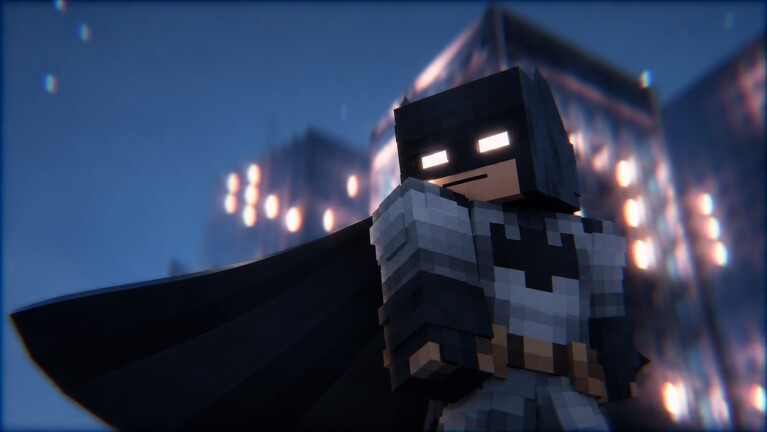
Giant bosses are the skyline-scale fights in Voxel Heroes—the moments when Visually Synced’s Roblox Action RPG asks a lobby to stop treating the city like a solo patrol and start sharing space, slam tells, and burn windows. The official pitch highlights teaming up against giant threats and competing on leaderboards; this guide focuses on preparation, role clarity, and honest differences versus street packs and Lockdown Tower. We will not invent boss HP bars or unpublished damage sheets. Pair the page with Combat and FOCUS, the Tier List Hub, and Best Heroes before you stack every FINISH on the same tick.
What makes a giant boss different
Street crimes are short and messy. Packs threaten citizens, soft timers tick, and you can abandon a bad angle for the next ping. Lockdown Tower compresses space floor by floor and punishes carrying mistakes upward. Giant bosses sit in a third category:
- Wide telegraphs — slam zones, sweeps, and phase shifts that punish stacked positioning.
- Longer commitment — leaving mid-fight costs more than skipping a street pack.
- Co-op math — overlapping FINISH timings and shared revive greed can wipe a coordinated lobby as fast as a bad solo dodge.
- Leaderboard pressure — players who chase placements need consistency before speed; a clean pattern beats a flashy fail streak.
Servers support about twenty players in the wider experience, but boss success still hinges on personal discipline plus simple callouts. More bodies do not automatically mean a free clear if everyone stands in the same circle.
Prep before you queue the fight
Treat boss night like a short raid block, not a random click:
- Fund your main. Cores belong on the hero you will actually pilot under fatigue. See Upgrade Trees and the level 50 horizon.
- Master FOCUS intentionally. If you still dump FINISH on trash or hold a full meter through two packs, fix that in free roam first via Combat and FOCUS.
- Warm up on streets and a short tower block. Confirm mobility, dodges, and camera comfort from Controls.
- Claim account housekeeping. Redeem live codes from the Codes Hub, claim dailies, and empty ready Trophy Case rewards so Hero XP is not idle.
- Agree on mental jobs even in casual co-op: who holds ranged lanes, who commits melee interrupts, who watches revive timing.
Skip exact “bring X percent more damage” shopping lists—the game does not publish a public stat sheet, and this wiki will not invent one.
Co-op callouts that actually help
You do not need a professional voice stack. You need clarity:
- Call when a slam telegraph starts so melee players step out together.
- Call priority adds if a pack would overwhelm the team during a phase.
- Call revive attempts so three players do not dive the same death puddle.
- Stagger FINISH windows instead of stacking every slow-motion spend on one frame.
Spread out so one attack does not threaten the entire team. Flying heroes should stay high enough to read slam circles yet low enough to contribute. Melee heroes should treat boss limbs and hips as temporary cover, exiting when the tell begins. If the lobby is noisy, mute and play your job—bosses reward clarity more than chatter.
How bosses differ from street packs
On streets, citizen priority often beats maximal damage. On bosses, unfinished mechanics are the citizen. Chasing a fleeing add across half the arena while a slam winds up is the classic wipe. Street habits that still help: short confirm strings, never letting FOCUS sit maxed forever, and using traversal to re-enter from a new angle. Street habits that betray you: abandoning the encounter mid-phase for a prettier camera shot, or treating every enemy as equally worth a FINISH.
How bosses differ from Lockdown Tower
Tower asks for composure across many short rooms. Bosses ask for composure inside one long pattern set. Tower rewards ending a floor cleanly before the next load; bosses reward surviving the pattern until a burn window appears. Use tower to stress-test whether your upgrade tree reduces panic. Use bosses to stress-test whether your team can share space. A hero that climbs well solo may still need a different secondary role in a boss lobby—check All Heroes for kit fantasy, then override with comfort.
Hero roles for boss nights
Community rankings currently favor strong generalists and heavies for hard content, but pilot skill beats a graphic:
- Iron Man / Vision — air lanes for reading circles and ranged FOCUS income.
- Miles Morales / Speedster — re-engage angles and add peel when the arena gets busy.
- Doctor Strange / Mr. Cold — control that buys time during chaotic phases.
- Captain America / Doctor Octopus — close reads and wide melee presence.
- Vengeance / Hawkeye — opening bursts or safe chip; know their limits on dense phases.
Secret options change the conversation carefully. Thanos is widely discussed as a top-end secret for heavy pressure once unlocked and funded—route details live on How to Unlock Thanos. Hulk is a badge-style secret often tied to the Inhibitor path and a boss-adjacent unlock fantasy (Banner laptop / Inhibitor placement in community walkthroughs); see How to Unlock Hulk and Secret Unlocks. Neither secret deletes the need for FOCUS mastery or cores. An abandoned Thanos with empty nodes still loses to a level-fed Iron Man.
Leaderboards without tilt
If you care about placements, prioritize a reliable clear pattern before chasing speed. Faster attempts only help when they do not create repeated resets. Record what actually broke a run—missed dodge, bad FINISH target, stacked positioning, or underfunded tree—and fix that category. Earn Money and XP and daily structure keep the account growing between boss blocks so you are not undergeared on retry night.
Session plan
- Login claims and code redeem.
- Two street warm-ups focused on intentional FINISH spends.
- Optional short Lockdown Tower block for endurance.
- Boss attempt with pre-agreed roles.
- Stop after a clean clear or after two tilted wipes; reinvest cores with a cool head.
- Skim Updates after patches in case weekly heroes or combat tuning changed the feel.
Automation scripts sometimes advertise boss-related helpers. Read the Scripts Hub risk notes first—executors can cost the same account that holds your Legend progress.
Common boss mistakes
- Stacking the whole lobby in one slam circle for “more DPS vibes.”
- Dumping every FINISH the instant the meter fills during a heavy windup.
- Bringing an unfunded weekly alt because the skin looks new.
- Treating Hulk’s unlock fight as proof you are ready for every giant encounter without practicing fundamentals.
- Measuring success only by leaderboard rank while ignoring whether your main can still clear streets cleanly.
Related reading
- Combat and FOCUS — meter timing under pressure
- Lockdown Tower — endurance habits that transfer
- Tier List and Best Heroes — investment context
- Getting Started — if bosses still feel like a brick wall on day one
- Players Hub — roster and secret overview
Giant bosses are where Voxel Heroes’ co-op fantasy peaks. Prep your cores, speak simple callouts, spend FOCUS on windows the boss creates, and let leaderboards be a side effect of consistent clears—not a reason to ignore the slam telegraph.
Frequently Asked Questions
Quick answers for Voxel Heroes codes, heroes, and progression.
How are giant bosses different from street crimes?
Bosses use wider telegraphs, longer commitment, and co-op spacing. Street packs are short and citizen-timed; bosses punish stacked positioning and greedy FINISH timing much harder.
Do I need a full lobby to beat giant bosses?
More players help when roles are clear, but uncoordinated stacks still wipe. Practice callouts and personal dodges instead of assuming raw lobby size wins.
Should I unlock Hulk before trying bosses?
Hulk is a strong badge-style secret with a boss-adjacent unlock route, but he still needs cores and FOCUS fundamentals. A funded launch main is a better first boss pilot for many accounts.
Are exact boss HP values listed here?
No. Visually Synced does not publish a public damage or HP sheet, so this wiki avoids invented numbers.
How do leaderboards fit boss fights?
Chase a reliable clear pattern before speed. Consistency reduces resets and usually improves placements more than reckless attempts.